Beyond the Feed: Why Gen Z Is Reclaiming Audio Power Through Online Radio Management
For over a decade, the narrative surrounding Gen Z’s media consumption focused almost exclusively on brevity. Marketers and media executives insisted that short-form video feeds, algorithmic playlists, and fragmented attention spans were the defining traits of
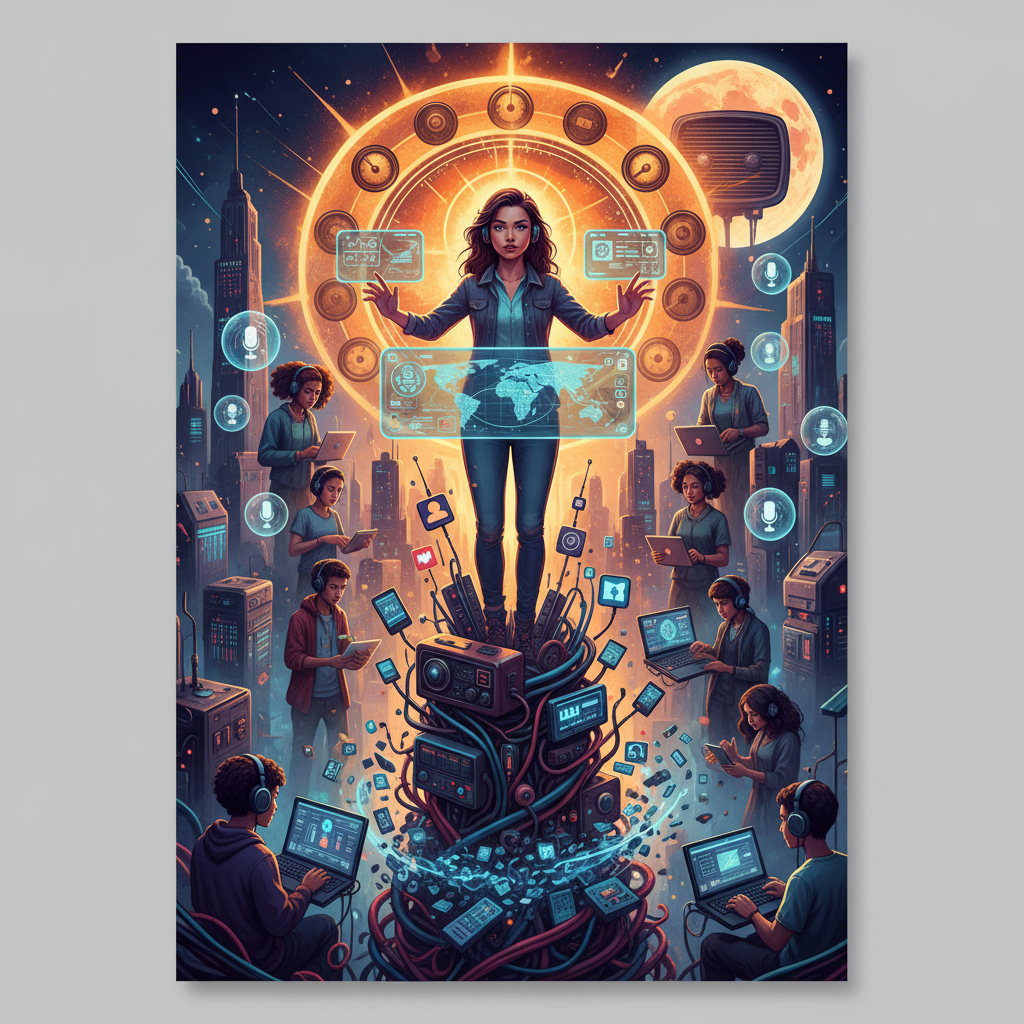
For over a decade, the narrative surrounding Gen Z’s media consumption focused almost exclusively on brevity. Marketers and media executives insisted that short-form video feeds, algorithmic playlists, and fragmented attention spans were the defining traits of digital natives. Yet beneath the surface of hyper-curated social feeds, a quieter, more deliberate movement has taken root across the global audio landscape.
Young creators are increasingly stepping away from passive streaming algorithms to build, manage, and program their own independent online radio stations. Far from viewing radio as an antiquated medium, Gen Z is embracing digital broadcasting as a flexible, sovereign space for artistic expression, community building, and digital career development.
Background and Context: Algorithmic Fatigue and the Return to Curation
To understand why a generation raised on Spotify and TikTok is choosing to run internet radio stations, one must look at the phenomenon of algorithmic fatigue. While recommendation engines excel at serving up content based on historical habits, they frequently homogenize listening experiences. The result is a background-noise culture where tracks fade into anonymous, mood-based playlists, stripping music of context, personality, and human connection.
Historically, independent radio served as the cultural lifeblood of music subcultures—from pirate radio stations in 1980s London to college radio stations across 1990s North America. Today’s web-based stations perform a remarkably similar role, adapted for a globalized, hyper-connected audience.
By leveraging accessible streaming software, low-cost server infrastructure, and web-based automation tools, young managers are resurrecting the art of linear, human-curated broadcasting. Managing an online radio station allows Gen Z creators to move from passive consumers situated at the end of an algorithmic pipeline to active curators who define the cultural conversations within their communities.
What's Happening Now: The New Infrastructure of Youth-Led Radio
The modern Gen Z radio station looks fundamentally different from its terrestrial predecessors, yet it relies on the same core principle: continuous, intentional linear programming. Today's young station managers use light, cloud-hosted broadcast management systems like AzuraCast or Centova Cast, combining live DJ sets with scheduled automation, archived talk shows, and ambient soundscapes.
Rather than competing with massive commercial broadcasters, these operators embrace hyper-niche, localized, or thematic programming. A single station might bridge bedroom producers in Seoul, indie bands in London, and experimental ambient artists in Chicago, unifying them under a single, branded stream.
"Running a station gave us back our agency," says Maya Lin, a 22-year-old station operator who co-founded an indie web station covering underground electronic and indie pop. "When you rely on social media platforms, you are entirely at the mercy of their distribution algorithms. With an online radio stream, we own our broadcast schedule, our audio archives, and our direct line to the listener. It feels like building a real home on the internet rather than renting space on a corporate feed."
Furthermore, Gen Z managers are transforming radio from a one-way broadcast into a multi-directional community hub. Live stream chat boxes, embedded Discord channels, and interactive track request modules are integrated directly into web players, turning listening sessions into real-time social events.
Concrete Benefits: Skills, Ownership, and Career Progression
Managing an internet radio station delivers practical advantages that extend well beyond artistic fulfillment. For young media producers, musicians, and managers, operating a station acts as a comprehensive laboratory for modern digital media skills.
Key operational and professional benefits for Gen Z managers include:
* Full-Stack Digital Literacy: Operating a station requires hands-on experience with streaming protocols (such as Icecast and HLS), audio processing, dynamic metadata management, RSS feed syndication, and basic web development.
* Audience Retention and Community Architecture: Station managers learn how to build loyal, repeat audiences using owned channels (such as newsletter lists and community chat servers) rather than relying on volatile platform algorithms.
* Curation and Industry Networking: Reaching out to record labels, managing track licensing, scheduling guest hosts, and conducting interviews builds real-world professional networks within the music and broadcasting industries.
* Monetization and Entrepreneurship: Station operators gain experience implementing alternative revenue models, including listener subscriptions via Patreon, localized brand sponsorships, merchandise drops, and live event ticketing.
These operational tasks cultivate a hybrid skill set—combining technical engineering, creative direction, and digital marketing—that makes young station operators exceptionally competitive in the broader media workforce.
Why It Matters for Stations and Creators
For the broader broadcasting industry, the influx of Gen Z managers offers a vital preview of where digital media is headed. Traditional broadcasters struggling to attract younger demographics often make the mistake of shortening content or over-indexing on social media video. However, the success of youth-led online radio proves that young audiences still value long-form, linear audio content—provided it feels authentic, curated, and culturally relevant.
For legacy radio networks and technology providers, collaborating with or supporting young station managers offers a direct window into emerging musical subgenres and talent pipelines.
"The audio industry is watching a profound shift in talent development," notes Marcus Vance, a senior audio industry analyst. "In the past, aspiring broadcasters had to wait years to get overnight shifts at commercial stations. Today, Gen Z operators are running fully functional global stations out of their dorm rooms or apartments. They understand audience interaction better than many legacy programmers because they build their systems around real-time community feedback loops."
For creators, running a station offers a form of media sovereignty that modern social platforms rarely provide. It protects artists and curators from platform policy shifts, demonetization, or sudden dips in organic reach, giving them absolute creative control over their broadcast identity.
Takeaway: The Long-Term Value of Autonomous Broadcasting
Managing an online radio station provides Gen Z creators with a rare combination in today's digital landscape: complete creative autonomy, technical mastery, and authentic community ownership. As algorithmic media continues to feel increasingly transactional and fragmented, the human-driven, linear format of radio is proving its enduring utility. For young programmers, taking control of the broadcast console is not merely a nostalgic hobby—it is a strategic, forward-looking investment in independent digital culture.