Beyond the Pre-Roll: How Independent Stations Are Monetizing Gen Z Audio On and Offline
For decades, online radio monetization followed a predictable playbook borrowed directly from terrestrial broadcasting: standard programmatic pre-roll ads, mid-roll commercial breaks every fifteen minutes, and banner ads cluttering the station web player. Whil
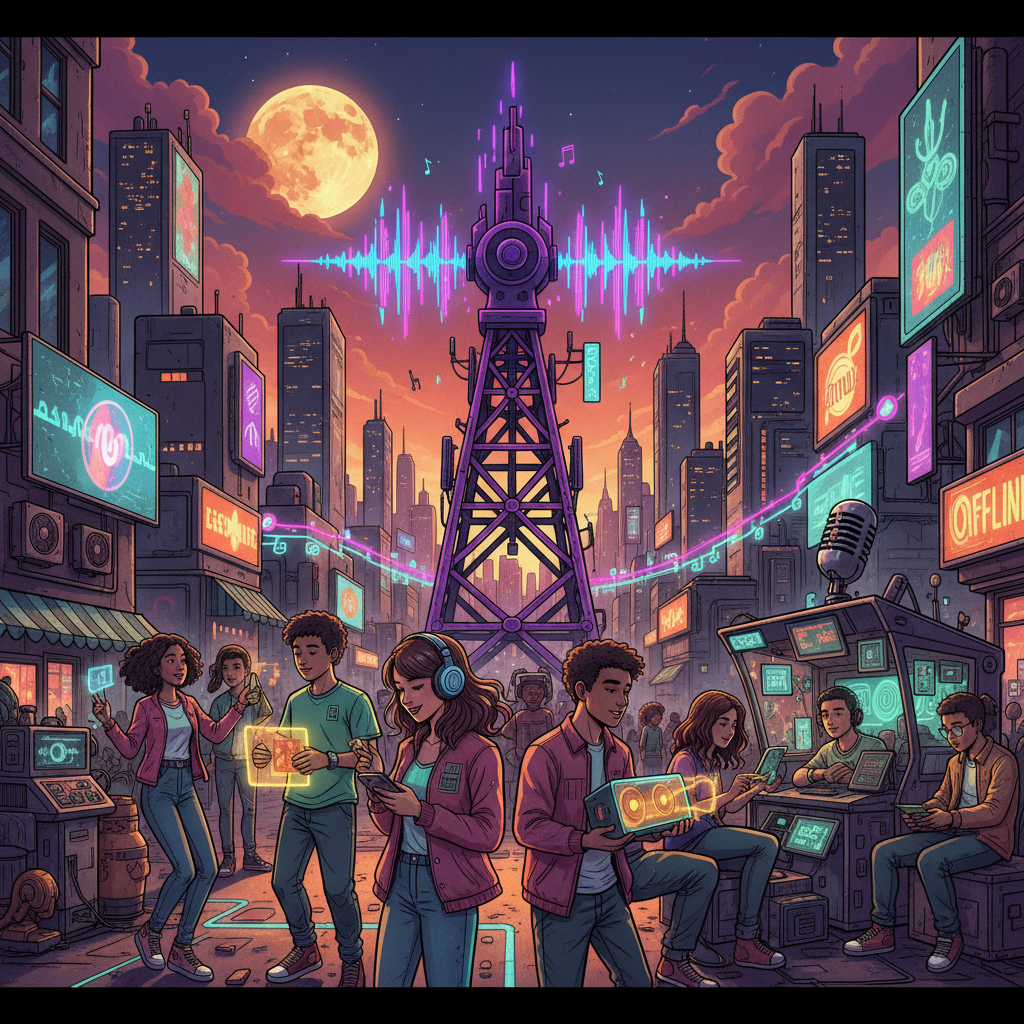
For decades, online radio monetization followed a predictable playbook borrowed directly from terrestrial broadcasting: standard programmatic pre-roll ads, mid-roll commercial breaks every fifteen minutes, and banner ads cluttering the station web player. While that model generated modest yields for adult contemporary and news-talk streams, it has proven fundamentally broken when applied to Generation Z.
Born roughly between 1997 and 2012, Gen Z consumers possess an acute radar for artificial marketing, a deep-seated aversion to intrusive commercial disruptions, and a distinct preference for community-driven culture over passive media consumption. For digital station managers and independent programmers attempting to convert Gen Z listenership into sustained revenue, relying solely on legacy ad networks is a fast track to high bounce rates and diminishing returns.
Building a viable business model around this demographic requires treating an online radio station not merely as an audio stream, but as a multi-dimensional brand ecosystem operating fluidly across digital platforms and physical spaces.
Background: The Fragmentation of the Youth Listener
To understand why traditional monetization fails with younger listeners, one must look at how Gen Z interacts with sound. Having grown up in an era dominated by hyper-personalized algorithms on platforms like Spotify and TikTok, Gen Z suffers from algorithmic fatigue. They are increasingly seeking human curation, contextual mood-setting, and intimate community spaces. Online radio provides the perfect antidote: authentic human selectors broadcasting in real-time.
However, their financial relationship with media is hyper-fragmented. High subscription churn rates across streaming services indicate a cohort that evaluates media expenditure through the lens of value, identity, and access rather than passive utility. Interrupting a live dj set with a dynamic programmatic ad for auto insurance breaks the curated immersion that drew the listener in the first place.
"The fundamental mistake stations make with younger audiences is treating audio inventory as a transactional billboard," notes Elena Rostova, a senior industry analyst specializing in youth media trends. "Gen Z doesn't want to buy what you’re selling unless they feel they are investing in the culture you are building."
What’s Happening Now: The Omnichannel Revenue Playbook
Forward-thinking internet radio platforms are restructuring their financial models away from passive ad insertions toward integrated, hybrid revenue streams that span both online platforms and real-world touchpoints.
On the digital front, successful operators are leaning into tiered community patronage. Rather than locking the main stream behind a paywall, stations keep the live stream free while monetizing the peripheral access points. Platforms like Discord and Patreon are used to offer paying members exclusive privileges: tracklist archives, access to studio webcams, high-bitrate FLAC streams, and private chat channels where listeners interact directly with resident DJs.
Simultaneously, native brand integrations have replaced traditional commercial spots. Instead of third-party ad networks injecting random audio files, stations collaborate directly with aligned brands—ranging from sustainable apparel lines to independent beverage companies—to create contextual, host-read sponsorships or custom-curated music hours.
Offline, the monetization model extends into physical community spaces. Independent stations in major urban hubs are transforming their physical broadcast booths into public-facing micro-venues. Through ticketed live-streamed studio sessions, pop-up record markets, local venue takeovers, and co-branded physical merchandise drops, stations convert digital loyalty into physical transaction.
"Our digital stream acts as our top-of-funnel discovery tool, but our real profitability comes from the physical and social ecosystem we build around it," says Marcus Vance, a station operator at an independent, youth-focused station based in Chicago. "We sell out limited-run apparel drops within hours and charge entry for our in-studio weekend broadcasts. Listeners buy in because owning the shirt or attending the broadcast signals membership in a distinct subculture."
Four Proven Revenue Drivers for Modern Broadcasters
To successfully capture value from a Gen Z audience, station operators are deploying a combination of direct-to-consumer and business-to-business tactics across both digital and physical channels:
* Contextual Native Audio Partnerships: Replacing automated 30-second programmatic ads with subtle, presenter-led brand partnerships. For example, a two-hour evening electronic set sponsored by a local streetwear label, featuring bespoke station bumpers and host shoutouts rather than jarring commercial breaks.
* Tiered Discord and Patronage Memberships: Offering a tiered subscription model ($5 to $15 monthly) that grants access to unreleased DJ mixes, downloadable stem files, early-bird tickets for live events, and exclusive chat roles within the station's active online community.
* Hyper-Local Event Production and Venue Partnerships: Monetizing the station's curatorial authority by organizing ticketed "IRL" (in real life) events, pop-up broadcasts at independent coffee shops, and curated stage takeovers at local music festivals.
* Aesthetic-Driven Physical Merchandising: Designing high-quality, limited-run apparel, physical zines, and vinyl compilations rather than cheap promotional items. These drops are marketed directly through live-stream pop-ups and password-protected web stores reserved for active listeners.
Why It Matters for Stations and Creators
The pivot toward modern, youth-centric monetization is not merely an aesthetic choice; it is a financial imperative for the long-term survival of independent web radio.
Streaming infrastructure costs—bandwidth, media servers, licensing fees through organizations like SoundExchange, and digital distribution—scale directly with audience growth. If a station relies solely on low-CPM (cost per mille) programmatic advertising, increasing listener hours can paradoxically increase operational overhead faster than revenue grows.
By diversifying into high-margin revenue sources like direct memberships, physical events, and premium merchandise, station operators create a resilient financial floor. A dedicated core audience of 2,000 highly engaged Gen Z listeners participating in $10 monthly memberships, buying two merch drops a year, and attending local events generates exponentially more enterprise value than 50,000 passive listeners yielding fractions of a cent per programmatic stream.
Furthermore, building an authentic relationship with younger audiences positions online radio stations as essential cultural tastemakers. Brands are increasingly desperate to connect with Gen Z in environments that feel unmanufactured. Stations that command genuine youth affinity can charge premium rates for strategic brand partnerships, effectively acting as boutique creative agencies as well as broadcasters.
The Takeaway: Broadcasters as Community Curators
Monetizing an online radio station for a Gen Z audience requires a fundamental shift in perspective. Station operators must stop viewing themselves merely as audio delivery pipelines and start operating as holistic community curators. The real value of modern internet radio lies not in the raw volume of broadcast hours, but in the strength of the culture cultivated around the sound. By replacing disruptive legacy advertising with native brand alignments, meaningful digital memberships, and tangible offline experiences, station operators can build a financially sustainable broadcasting model that resonates with the next generation of listeners without compromising artistic integrity.


