The Airwaves Are Open: How Gen Z Creators Are Bypassing YouTube Fatigue with Independent Online Radio
The narrative surrounding digital media consumption in 2024 has shifted decisively. For over a decade, the algorithmic dominance of video-first platforms like YouTube and TikTok dictated the rhythm of online culture. However, a quiet but significant migration
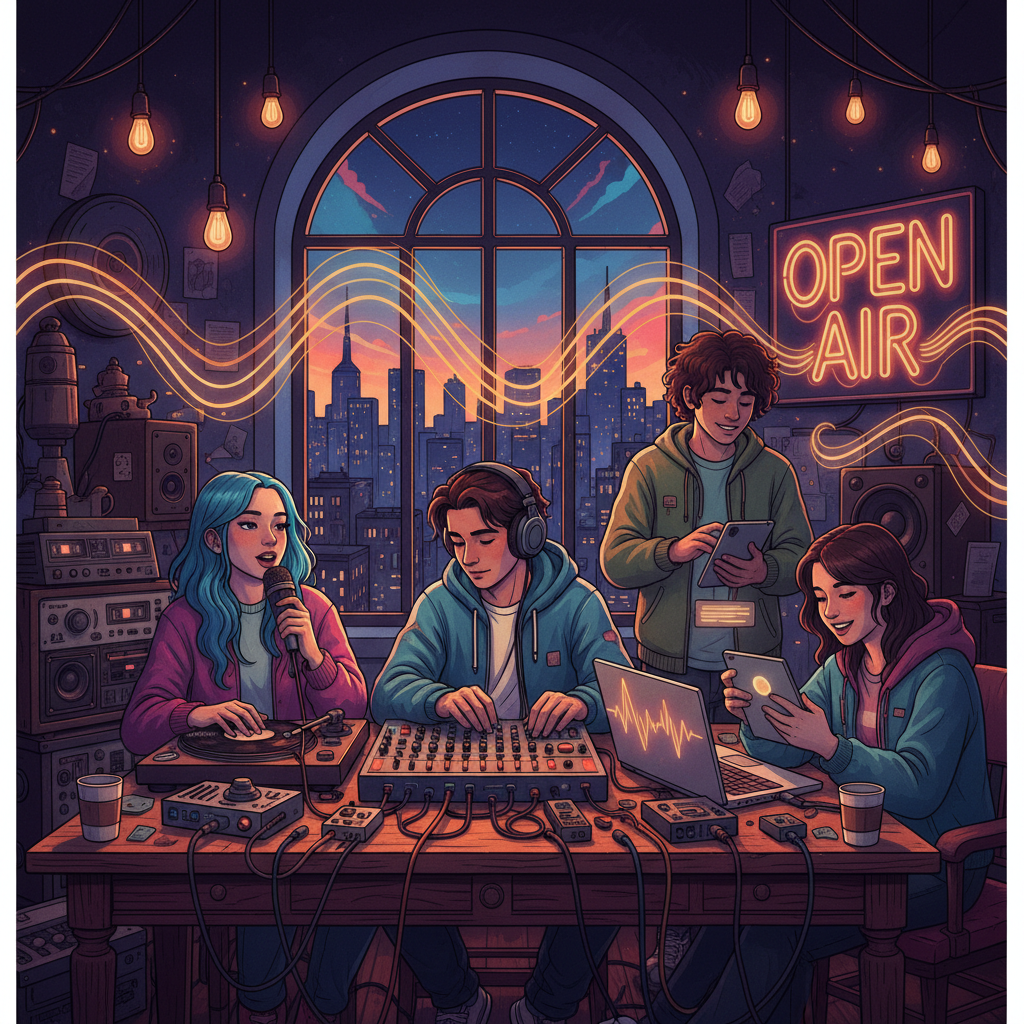
The narrative surrounding digital media consumption in 2024 has shifted decisively. For over a decade, the algorithmic dominance of video-first platforms like YouTube and TikTok dictated the rhythm of online culture. However, a quiet but significant migration is underway among Generation Z content creators. They are not abandoning digital engagement; rather, they are fleeing the intense pressure of visual performance and the opaque, often hostile algorithms that govern them. Instead, they are turning to a medium that feels both retro-futuristic and liberating: independent online radio.
This is not a nostalgia trip for AM/FM broadcasts. It is a strategic pivot toward audio-centric communities where the barrier to entry is low, the production value is manageable, and the connection with listeners is direct, intimate, and devoid of the performative exhaustion associated with video content.
The Context of Creator Burnout
To understand why audio is resurging, one must first acknowledge the sheer exhaustion of the "creator economy." For years, the imperative was clear: if you weren’t filming yourself in high-definition, engaging with trends, and optimizing for watch time, you didn’t exist. This model demanded constant visual novelty, leading to widespread burnout among Gen Z influencers who felt trapped in a hamster wheel of aesthetic perfection and algorithmic appeasement.
Furthermore, the platform risk associated with video hosting is substantial. Demonetization strikes, shadowbanning, and sudden policy changes can erase a creator’s livelihood overnight. The visual nature of these platforms also encourages a commodification of the self, where personal boundaries are frequently blurred by the demand for constant accessibility and visual transparency.
As the initial hype of the creator economy matures, a more sustainable model is emerging—one that prioritizes consistency over virality and community over reach. Audio provides the perfect vessel for this shift. It allows for deep, long-form conversation without the need for lighting setups, editing suites, or on-camera charisma. It is asynchronous, allowing listeners to engage while commuting, working, or exercising, integrating content into the background of daily life rather than demanding primary attention.
What’s Happening Now: The Rise of DIY Digital Stations
The technological infrastructure for launching an online radio station has never been more accessible. Tools that once required broadcast engineering degrees are now available via user-friendly interfaces. Creators are leveraging software like AzuraCast, Radio.co, and various streaming middleware to establish their own brands.
This movement is characterized by a few key behaviors:
* Hybrid Content Models: Many creators are running live streams on Twitch or YouTube while simultaneously broadcasting the audio feed to a dedicated radio app, effectively doubling their audience touchpoints without doubling their production effort.
* Niche Curation Over Viral Hunting: Instead of chasing trending topics, these stations curate specific sounds—lo-fi hip hop, obscure indie rock, or specialized tech talk—creating a consistent sonic identity that listeners return to habitually.
* Direct Listener Interaction: Using integrated chat functions and Discord servers, hosts maintain real-time dialogue with their audience, fostering a sense of belonging that video comments sections rarely achieve.
* Monetization Diversification: Beyond ads, these stations often rely on Patreon, direct donations, and branded merchandise, reducing reliance on platform-dependent ad revenue.
Sarah Jenkins, a station operator managing three independent youth-focused digital radio networks, notes the difference in engagement. "With video, I’m fighting for the first three seconds of attention. With radio, I’m earning the next hour," she explains. "The relationship is deeper. They aren’t just watching me; they’re hanging out with me."
Why It Matters for Stations and Creators
This shift represents a fundamental change in how digital media is consumed and produced. For creators, it offers a reprieve from the "face tax" of the internet. It allows personality-driven content to thrive without the prerequisite of physical appearance or video editing skills. This democratization opens the door for voices that might have been excluded by the visual biases of traditional social media.
For the broader industry, this trend signals the end of the "video-only" hegemony. Advertisers and brands are beginning to recognize the power of audio loyalty. Listeners of digital radio stations tend to have higher retention rates and stronger parasocial bonds with hosts than passive video viewers. This makes these stations valuable partners for targeted advertising and brand partnerships that seek authenticity over broad reach.
Moreover, this model encourages sustainability. Producing a two-hour radio show is significantly less resource-intensive than producing a comparable amount of video content. Creators can focus on writing, music selection, and conversation, leaving the technical heavy lifting to automated streaming tools. This reduces the cognitive load on creators, allowing them to produce content longer-term without succumbing to burnout.
The Human Element: Connection in a Digital Age
At its core, the resurgence of online radio is about human connection. In an era of fragmented attention spans, the linear flow of a radio show provides a comforting structure. It mimics the experience of tuning into a local FM station in the early 2000s, but with global reach and niche specificity.
Listeners appreciate the curation. In a world of infinite choice, having a trusted host select the music or guide the conversation provides a sense of discovery and comfort. This is particularly appealing to Gen Z, who values authenticity and mental health awareness. Radio offers a space for vulnerability and unscripted interaction that feels genuine in a way that highly produced video content often does not.
Takeaway
The migration of Gen Z creators toward independent online radio is not merely a change in format; it is a correction in the balance of power between platform and producer. By reclaiming the means of broadcast, these creators are escaping the fatigue of visual performance and algorithmic dependency. They are building resilient, community-focused brands that prioritize depth over breadth and sustainability over virality.
For the industry, this is a signal to invest in audio technologies and support creators who are redefining engagement. The future of digital media is not solely visual; it is multi-sensory, and the airwaves are finally open again. As creators discover the ease and intimacy of radio, they are finding a new way to speak, listen, and connect in a noisy digital landscape.