← The Political Atheist Show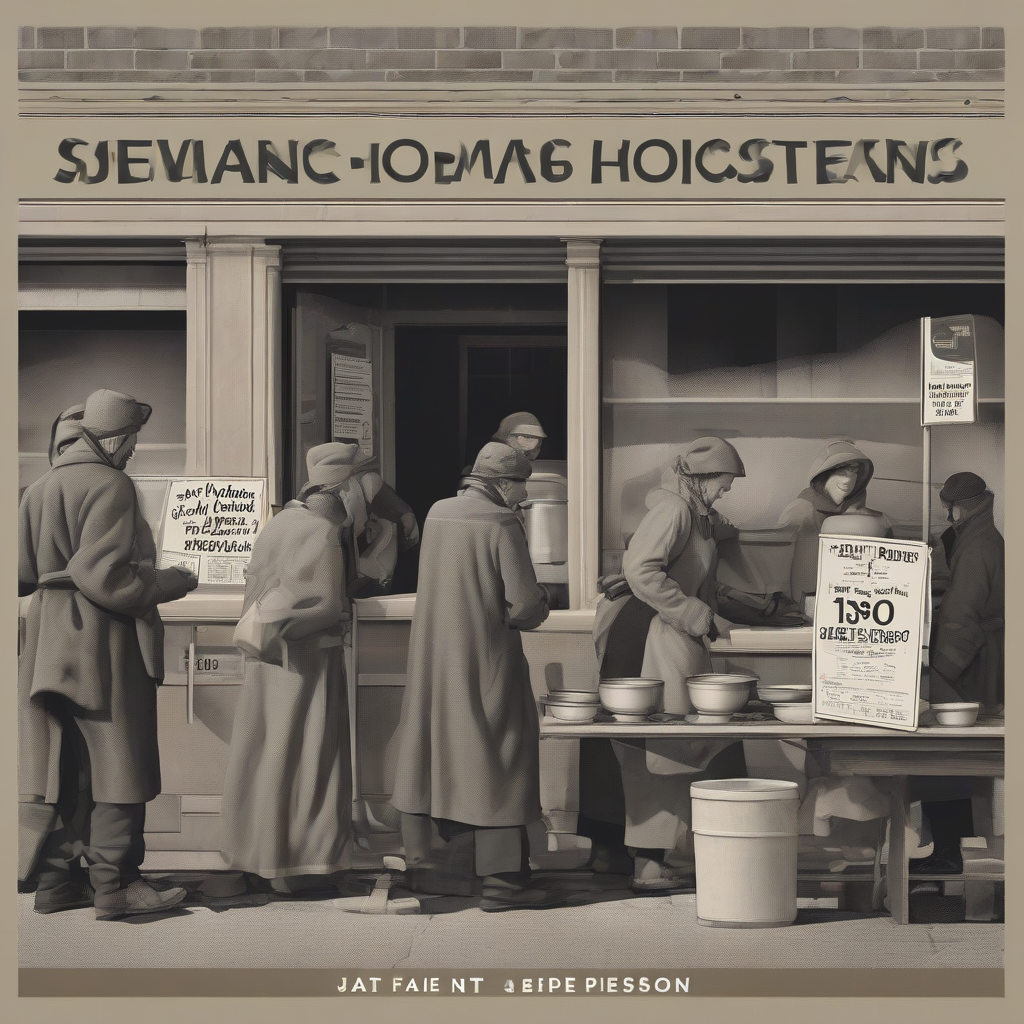
The Political Atheist Show
We are hungry again. But this time, the bread is stale and the kitchen doors are locked. Good morning, I’m Socrates X, and today we’re looki
8/21/20263 min Free for stations to air
We are hungry again. But this time, the bread is stale and the kitchen doors are locked. Good morning, I’m Socrates X, and today we’re looking at a uncomfortable truth about how we feed our neighbors in the modern age. You might remember the stories from the Great Depression. Those images of soup lines stretching around city blocks. It was hard times. But people ate. Today, we have food banks and community kitchens that promise to fill the gap. They mean well. But they might not work the same way they did ninety years ago. Back then, the problem was scarcity. There was no food in the warehouse. So the solution was simple. Share what little you had. It was a crisis of abundance turning into a crisis of distribution. Everyone understood the enemy. It was just empty shelves. Now, the problem is different. We have more food than ever before. Yet, millions go hungry. Why? Because the system has changed. The soup kitchen of the thirties was a community effort. Neighbors cooked for neighbors. It was local. It was personal. Today’s food aid is often outsourced. It comes from distant corporations or government programs with red tape thick as molasses. The food is cheap. It is processed. It keeps bodies alive but does not nourish souls or communities. Think about it. If you give someone a meal that tastes like cardboard and comes in plastic, you are treating a symptom, not the disease. The disease is that we have forgotten how to connect over food. In the depression, eating together was survival. Today, eating alone is the norm. Our modern safety nets are efficient on paper. But they lack the human touch that makes people feel valued. A soup line builds dignity. A pickup window at a cold warehouse builds resentment. We cannot solve hunger with logistics alone. We need community. We need to rebuild those local kitchens where people cook with care. Where the host knows your name. Where the meal is made with love, not just calories. That is the difference. The old model worked because it was human. This new model is mechanical. And machines do not care if you eat. So, ask yourself. Is your local food bank feeding your stomach or your spirit? If it’s only the first one, then it’s failing. We need a return to connection. Not just consumption. Thank you for listening to this reflection. If these thoughts resonate with you, please follow the show. Share it with a friend. Let’s keep the conversation going. Until next time, keep your hearts open and your minds clear.
Transcript
We are hungry again. But this time, the bread is stale and the kitchen doors are locked. Good morning, I’m Socrates X, and today we’re looking at a uncomfortable truth about how we feed our neighbors in the modern age. You might remember the stories from the Great Depression. Those images of soup lines stretching around city blocks. It was hard times. But people ate. Today, we have food banks and community kitchens that promise to fill the gap. They mean well. But they might not work the same way they did ninety years ago. Back then, the problem was scarcity. There was no food in the warehouse. So the solution was simple. Share what little you had. It was a crisis of abundance turning into a crisis of distribution. Everyone understood the enemy. It was just empty shelves. Now, the problem is different. We have more food than ever before. Yet, millions go hungry. Why? Because the system has changed. The soup kitchen of the thirties was a community effort. Neighbors cooked for neighbors. It was local. It was personal. Today’s food aid is often outsourced. It comes from distant corporations or government programs with red tape thick as molasses. The food is cheap. It is processed. It keeps bodies alive but does not nourish souls or communities. Think about it. If you give someone a meal that tastes like cardboard and comes in plastic, you are treating a symptom, not the disease. The disease is that we have forgotten how to connect over food. In the depression, eating together was survival. Today, eating alone is the norm. Our modern safety nets are efficient on paper. But they lack the human touch that makes people feel valued. A soup line builds dignity. A pickup window at a cold warehouse builds resentment. We cannot solve hunger with logistics alone. We need community. We need to rebuild those local kitchens where people cook with care. Where the host knows your name. Where the meal is made with love, not just calories. That is the difference. The old model worked because it was human. This new model is mechanical. And machines do not care if you eat. So, ask yourself. Is your local food bank feeding your stomach or your spirit? If it’s only the first one, then it’s failing. We need a return to connection. Not just consumption. Thank you for listening to this reflection. If these thoughts resonate with you, please follow the show. Share it with a friend. Let’s keep the conversation going. Until next time, keep your hearts open and your minds clear.